Health and Safety Policy for Cleaner Battersea
 Cleaner Battersea is committed to maintaining a safe, healthy, and well-managed working environment for all cleaning staff, clients, contractors, and visitors. This policy explains the standards we follow to reduce risks, prevent accidents, and support safe cleaning practices across every assignment. We believe that good safety management is not only a legal responsibility but also an essential part of delivering a professional service.
Our approach is based on prevention, preparation, and clear communication. Every cleaning task is assessed before work begins so that hazards can be identified early and controlled effectively. Whether the job involves domestic cleaning, office maintenance, or specialist cleaning, our teams are expected to work carefully, use equipment correctly, and follow approved procedures at all times.
 We provide this policy to make sure that everyone involved understands their responsibilities. It sets out the steps Cleaner Battersea takes to manage risks such as slips, trips, manual handling injuries, exposure to cleaning chemicals, and unsafe use of tools or machinery. Safety is treated as a shared responsibility, and every worker is expected to play an active part in keeping the workplace secure.
At the planning stage, cleaners are encouraged to review the environment and report anything that could create a hazard. This may include wet floors, poor lighting, blocked walkways, unstable furniture, damaged electrical sockets, or the presence of sharp objects. Where necessary, work may be delayed until the issue has been addressed. Risk reduction always comes before speed.
Core Health and Safety Principles
Cleaner Battersea follows a simple set of principles that guide all cleaning activities:
- Carry out suitable risk assessments before starting work.
- Use cleaning products only as instructed by the manufacturer.
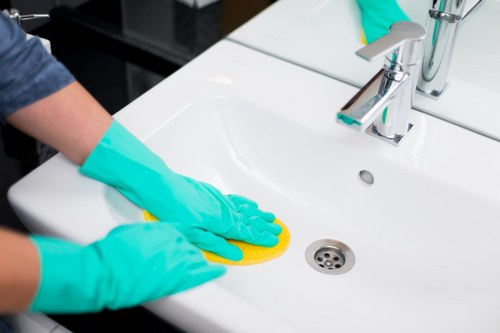
- Wear appropriate protective equipment when required.
- Keep work areas tidy to reduce slip and trip hazards.
- Store tools, cords, and materials safely after use.
- Report accidents, near misses, and unsafe conditions immediately.
 These principles help ensure that each cleaner works in a controlled and responsible manner. They also support consistency across different properties and services. A safe working routine protects workers from avoidable injury and helps maintain the quality of the service provided.
Safe Working Practices
Manual handling is an important part of cleaning work, so staff are trained to lift, carry, and move items safely. Where possible, heavy objects should be moved with assistance or using suitable equipment. Cleaners are also advised to maintain good posture, avoid twisting movements, and take regular pauses when tasks are physically demanding.
Cleaning chemicals must always be handled with care. Never mix products unless the instructions specifically allow it, as dangerous fumes or reactions may occur. Containers should remain labelled, securely closed, and stored away from heat or food preparation areas. If a product causes irritation or an accidental spill, the area should be made safe immediately and reported without delay.
Electrical safety is another key concern. Equipment should be visually checked before use, and any damaged plugs, leads, or appliances must be removed from service at once. Cleaners must avoid working with electrical equipment near water unless it is safe and appropriate to do so. If specialist machinery is used, only trained staff should operate it.
Training, Supervision, and Reporting
All cleaners receive relevant instruction on health and safety expectations before beginning work. This includes safe use of materials, personal protective equipment, emergency procedures, and how to respond to common workplace hazards. Training is refreshed when needed so that standards remain current and practical.
Supervisors and team leaders are responsible for checking that safe systems of work are being followed. They must also support staff by answering questions, reviewing hazards, and making sure any required equipment is available. Good supervision helps create a culture of awareness and accountability.
 Any accident, injury, incident, or near miss must be reported promptly so that it can be investigated and lessons can be learned. This includes minor slips, chemical splashes, broken equipment, and unsafe conditions noticed during cleaning. Clear reporting helps prevent repeat problems and supports continuous improvement.
Emergency Response
In an emergency, cleaners should remain calm, follow the relevant procedure, and seek assistance if needed. Fire exits must stay clear, and staff should know the correct actions for evacuation, first aid, or incident escalation. If a situation appears dangerous, work should stop immediately until it is safe to continue.
 Cleaner Battersea reviews this policy regularly to make sure it remains effective and suitable for the services we provide. Improvements may be made in response to changing tasks, identified risks, or feedback from safety checks. Our goal is to maintain a reliable standard of care that protects people, property, and working practices.
By following this policy, Cleaner Battersea demonstrates its commitment to safe, responsible, and professional cleaning. Every member of the team is expected to support these standards so that all work is carried out with due care, respect, and attention to health and safety at every stage.