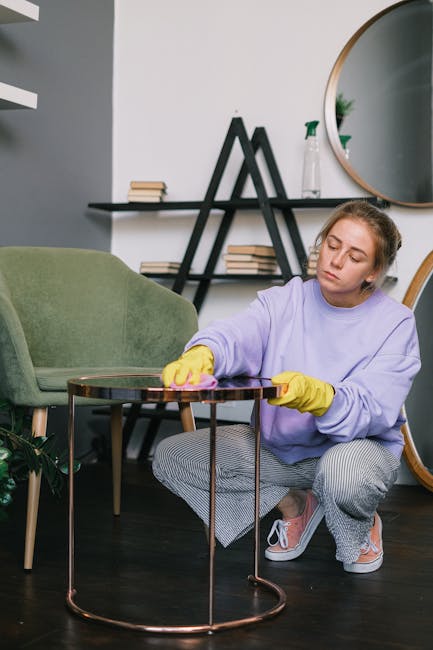
Lavender Hill Carpet Cleaning and Stain Removal Guide
If your carpet has picked up a tea splash, muddy footprints, pet accident, or that mysterious dark patch that appeared after a busy week, this Lavender Hill carpet cleaning and stain removal guide is here to help. The aim is simple: give you clear, practical steps for treating stains properly, protecting your carpet fibres, and knowing when a DIY fix is enough and when it is wiser to bring in a professional. In a place like Lavender Hill, where homes, flats, rentals, and busy shared spaces all see plenty of footfall, a little know-how goes a long way. And honestly, the difference between a stain that fades and one that settles in can be just a few minutes.
You will find realistic advice below on spot treatment, deep cleaning, stain removal methods, common mistakes, and how to decide whether a full professional clean makes sense. If you are comparing options, it also helps to understand the broader picture of professional carpet cleaning, especially when a carpet needs more than a quick blot and a hopeful sigh.
- Why this guide matters
- How carpet cleaning and stain removal works
- Key benefits and practical advantages
- Who needs this and when it makes sense
- Step-by-step guidance
- Expert tips for better results
- Common mistakes to avoid
- Tools, resources and recommendations
- Law, compliance, standards and best practice
- Options and comparison table
- Case study or real-world example
- Practical checklist
- Conclusion
- Frequently asked questions
Why Lavender Hill carpet cleaning and stain removal guide Matters
Carpets do more than soften a room. They collect dust, pollen, grit, spills, pet dander, and daily wear from shoes, bags, pushchairs, and furniture. On Lavender Hill, where many homes are lived in hard and fast, carpets often take the strain before anyone notices. Then one day you spot a wine ring by the sofa or a flattened traffic path from the hall to the kitchen, and suddenly it matters a lot.
This guide matters because carpet stains are rarely just "surface marks". A spill can sink into the pile, spread under the fibres, or set after heat, friction, or the wrong cleaning product. Try treating the wrong stain the wrong way and you can make it bigger, brighter, or permanently fixed. Not ideal.
It also matters from a property care point of view. A clean carpet supports better indoor comfort, helps a room look fresher, and can be especially useful for tenants, landlords, Airbnb hosts, and busy households. If you are preparing a move, a refresh, or a one-off reset, combining carpet care with broader services such as deep cleaning or one-off cleaning can make a noticeable difference to how the whole place feels.
There is also a simple truth here: a stain left too long usually becomes harder, not easier, to remove. So the real value of this guide is timing, technique, and a bit of calm judgement.
How Lavender Hill carpet cleaning and stain removal guide Works
Carpet cleaning works by lifting loose dirt, breaking down residue, and removing soil from the fibres without damaging the carpet backing or leaving sticky detergent behind. Stain removal is slightly different. It focuses on the specific mark, the stain chemistry, and the fibre type. That is why one method works for a coffee stain but not for grease, ink, or pet urine.
In practical terms, the process usually follows four stages:
- Identify the stain. Is it water-based, oily, protein-based, or dye-based? This shapes the treatment.
- Test the carpet fibre. Wool, synthetic blends, and delicate rugs all respond differently.
- Treat gently first. Blot, do not rub. Start mild and increase carefully if needed.
- Dry thoroughly. Moisture left behind can attract dirt, create odours, or even cause wicking, where the stain reappears as the carpet dries.
A lot of people think cleaning means scrubbing harder. It does not. Truth be told, the gentler approach often wins. For deeper cleaning, hot water extraction or steam carpet cleaning can be effective on many modern carpets, especially when you want to remove embedded soil rather than just treat a small patch. You can explore the method in more detail through steam carpet cleaning.
For households with pets, the process may also involve odour treatment, enzyme-based solutions, or careful spot neutralisation. In those cases, pet stain odour removal is often more appropriate than a generic carpet spray.
Key Benefits and Practical Advantages
There is more to carpet cleaning than making the pile look neat. Done properly, it supports the lifespan of the carpet and makes the room easier to live in. That is the real appeal.
- Better appearance: colours look fresher and traffic areas stand out less.
- Cleaner indoor environment: removing trapped dust and debris can reduce the gritty feel underfoot.
- Odour control: stains, spills, and pet incidents can create lingering smells if not treated correctly.
- Longer carpet life: grit and residue wear fibres down over time.
- Improved stain success rate: quick action gives you the best chance of full removal.
- Better move-out presentation: useful for tenants, landlords, and inventory checks.
There is also the practical side. A good clean can make a living room feel brighter, a hallway less tired, and a bedroom a bit more restful. Small thing, maybe. But you notice it straight away when you walk in from the street with wet shoes and the carpet still smells clean instead of damp and old.
If your carpet is part of a broader refresh, it may be sensible to coordinate with domestic cleaning or house cleaning so that floors, skirting boards, and upholstery are handled together rather than in bits and pieces.
Who This Is For and When It Makes Sense
This guide is for anyone dealing with a stained carpet, but some people will find it especially useful.
- Homeowners: if you want to keep carpets looking good without over-cleaning them.
- Tenants: if you are trying to avoid disputes over stains at the end of a tenancy.
- Landlords and letting agents: when a property needs a dependable refresh between occupants.
- Airbnb hosts: where small stains can become visible very quickly in photographs and guest impressions.
- Pet owners: because accidents happen, and usually at the worst possible moment.
- Busy families: where food, drink, and muddy shoes are part of daily life.
- Offices and shared spaces: especially where carpets see consistent foot traffic and the odd coffee spill.
It also makes sense if you are comparing whether to clean a carpet yourself or bring in help. For occasional home maintenance, a careful spot clean might be enough. For old stains, widespread soiling, or a whole-room reset, a more structured service like regular cleaning or commercial carpet cleaning may be the better route. Not every carpet needs the same treatment, and that is where judgement matters.
Step-by-Step Guidance
Here is a practical approach that works for most everyday carpet stains. Keep it simple. Keep it calm.
- Act quickly. The sooner you treat the stain, the better your chances.
- Blot the spill. Use a clean white cloth or paper towel and press gently. Do not rub.
- Remove solids first. For food or mud, lift off the excess with a spoon or blunt edge before adding moisture.
- Use the right solution. A mild carpet-safe cleaner or a lightly damp cloth is often enough for fresh, water-based stains.
- Treat from the outside in. This helps prevent the stain from spreading.
- Work slowly. Dab, lift, re-blot, and repeat.
- Rinse lightly. Too much product can leave residue that attracts more dirt later.
- Dry thoroughly. Open windows if possible, use airflow, and avoid heavy foot traffic until dry.
For tougher marks, the sequence changes a little. Grease needs a different approach from red wine. Ink behaves differently from coffee. Pet stains often need odour treatment as well as stain removal. If the carpet is in a delicate room, such as a soft-furnished lounge or a guest bedroom, you may also want to protect nearby fabrics with a broader upholstery clean, such as upholstery cleaning.
One small but important point: test any cleaning product on an inconspicuous area first. It takes a minute. It can save a carpet.
Expert Tips for Better Results
Most of the improvement comes from avoiding damage, not from doing something dramatic. A few field-tested habits make a big difference.
- Use white cloths, not coloured towels. Some dyes transfer onto the carpet.
- Work with the pile. Gentle brushing in the direction of the fibres can help the carpet look more even once dry.
- Avoid soaking the backing. Excess water can cause slow drying, odour, or staining that returns from below.
- Use minimal product. More cleaner does not automatically mean better results.
- Control heat. Heat can set some stains, especially proteins and certain dyes.
- Attend to edges and joins. Stains near skirting or under furniture often need slightly more care because they are easy to miss.
If you are cleaning a carpet in a rented flat or a property with mixed flooring, it can help to look at the whole route through the home. Hallways, rugs, and nearby soft furnishings often hold on to the same dust and spill patterns. In those cases, matching carpet care with rug cleaning or sofa cleaning creates a more consistent finish.
Also, a mildly humorous but true observation: the stain you ignore on Monday somehow becomes the stain you keep noticing all week. The carpet has a way of winning that argument.
Common Mistakes to Avoid
People usually do too much too soon, or they use the wrong method for the stain. That is where the trouble starts.
- Rubbing aggressively: this can push the stain deeper and rough up fibres.
- Using random household products: bleach, strong solvents, or heavily scented sprays can cause colour loss or residue.
- Soaking the carpet: too much moisture risks longer drying time and re-soiling.
- Skipping the test patch: a product that works on one carpet may damage another.
- Leaving residue behind: leftover detergent can attract dirt and make the area look worse later.
- Waiting too long to dry: a damp patch left in a warm room can become musty, and nobody wants that smell at 8am.
Another common error is assuming every stain can be fixed with the same process. Coffee, curry, pet urine, ink, makeup, and mud all behave differently. If you are unsure, it is better to stop early than to over-treat the area and create a bigger problem.
Tools, Resources and Recommendations
You do not need a cupboard full of specialist products to handle most carpet issues. A few sensible tools are enough.
- Clean white microfibre cloths
- Paper towels for fresh spills
- A spoon or blunt scraper for solids
- A carpet-safe spot cleaner
- A soft brush for dried residue
- A wet vacuum or extraction machine, if you know how to use it properly
- Fans or good airflow for drying
For larger jobs, it is worth considering whether the stain is part of a wider cleaning need. For example, after decorating or moving furniture, the carpet may hold dust and fine debris that a spot treatment will not solve. In that sort of situation, services like after builders cleaning or move out cleaning can be more practical than trying to patch-clean the surface a dozen times.
If you are dealing with a property that needs a more complete reset, a service such as end of tenancy cleaning can be useful because carpet stains are often judged alongside kitchens, bathrooms, and general presentation. It is rarely just about one room.
Law, Compliance, Standards, or Best Practice
For carpet cleaning in a domestic or commercial setting, the main thing to keep in mind is safe, sensible practice. There is not usually a special legal rule about how to remove a tea stain, but there are still important expectations around safety, product use, and property care.
In the UK, good practice generally means:
- using cleaning products according to the label instructions
- avoiding unnecessary exposure to strong chemicals
- working carefully around children, pets, and vulnerable occupants
- preventing slips on damp floors
- making sure any electrical equipment is used safely
For tenants and landlords, end-of-tenancy expectations can vary by contract and property condition, so it is sensible to read the tenancy agreement carefully. A carpet clean may be expected when a stain is clearly avoidable or when the property was handed over in a cleaner condition than it is returned. This is one area where common sense helps, but written terms matter too.
If you are hiring help, it is also reasonable to look for reassurance around insurance, security, and safety procedures. On a practical level, that means checking whether the company explains how it handles site safety and customer data. You can review details on insurance and safety and health and safety policy before booking. These are small trust signals, but they matter.
Options, Methods, or Comparison Table
Choosing the right method depends on the stain, the carpet, and how much risk you are willing to take. Here is a simple comparison.
| Method | Best for | Pros | Watch out for |
|---|---|---|---|
| Blotting and light spot treatment | Fresh spills, small marks, simple water-based stains | Quick, cheap, low risk | Not enough for old or set-in stains |
| Targeted stain removal | Coffee, wine, food, pet accidents, ink in some cases | More effective for specific problems | Needs the right product and a careful test patch |
| Hot water extraction / steam cleaning | General soiling, traffic lanes, deeper refreshes | Reaches deeper into the pile | Too much moisture can slow drying if handled badly |
| Professional stain treatment | Set stains, delicate fibres, repeated reappearance | Better assessment and more controlled results | May cost more, though often saves time and stress |
If you are deciding between spot cleaning and a deeper refresh, the right answer is usually based on the age of the stain and how visible the area is. A faint patch in a spare room is one thing. A wine stain in the middle of a bright hallway is another. No surprise there.
Case Study or Real-World Example
Picture a typical Lavender Hill flat after a busy Friday night. A guest spills red wine near the coffee table, someone notices too late, and by morning there is a soft pink ring in the pile. The first instinct is often panic, then a fast scrub with whatever cloth is nearest. That is exactly how a small stain can become a stubborn one.
A better approach would be to blot immediately, apply the right stain treatment sparingly, and keep working from the outside toward the middle. If the carpet is synthetic and the spill is fresh, the stain may lift quite well. If it is wool, older, or already dried, the same method might only partially improve it and could even leave a water edge. In that kind of situation, a professional assessment is often the safer choice.
We have seen the same pattern with pet accidents in family homes. The visible mark might disappear after one clean, but the smell lingers because the spill reached deeper than the surface. That is where targeted odour treatment, careful extraction, and proper drying matter more than speed. If you need help with persistent smells, pet stain odour removal is a sensible next step.
So the lesson is pretty straightforward: act early, do less harm, and match the method to the mess. Simple enough, but easy to forget when you are staring at the carpet with a cloth in one hand and regret in the other.
Practical Checklist
Use this quick checklist before, during, and after a stain treatment.
- Identify the stain type if you can
- Check the carpet fibre and care instructions
- Test the cleaner on a hidden area
- Blot, do not rub
- Work gently from the outside inward
- Use only a small amount of product
- Rinse lightly if appropriate
- Dry the area fully
- Inspect for any colour change or residue
- Repeat only if the carpet is tolerating the treatment well
If you are managing a property with multiple soft surfaces, remember the carpet is not the only item that holds onto dirt or odour. Curtains, sofas, rugs, and mattresses can all contribute to the overall feel of the room. A combined approach, such as curtain cleaning or mattress cleaning, can sometimes make the whole space feel fresher than carpet cleaning alone.
Get a free quote today and see how much you can save.
Conclusion
A good Lavender Hill carpet cleaning and stain removal guide should do more than list products. It should help you think clearly, act quickly, and avoid the small errors that turn a manageable spill into a long-term mark. The basic rules are steady ones: identify the stain, use the gentlest effective method, dry thoroughly, and do not panic if the first pass does not solve everything.
For fresh spills, a little care can go a long way. For older marks, odours, or carpets that have seen better days, professional help can save time and reduce the risk of damage. And sometimes that is the most practical choice, simple as that.
If you want a cleaner, calmer, more welcoming home in Lavender Hill, start with the stain in front of you and build from there. Small steps count. They really do.
Frequently Asked Questions
What is the best first step for a fresh carpet stain?
Blot it immediately with a clean white cloth or paper towel. Do not rub. Removing as much spill as possible straight away gives you the best chance of avoiding a permanent mark.
Can I use washing-up liquid on carpet stains?
Sometimes a tiny amount diluted in water can help with certain fresh stains, but use caution. Too much soap leaves residue, and some carpets react badly to strong or scented products. Always test first.
Why does a carpet stain come back after cleaning?
That is often called wicking. Moisture or residue from deeper in the carpet rises to the surface as it dries. It is usually a sign that the stain went deeper than the top pile and may need a more controlled treatment.
Are steam carpet cleaning and stain removal the same thing?
Not quite. Steam carpet cleaning is a broader cleaning method that helps remove embedded dirt from the carpet. Stain removal targets a specific mark. The two often work well together, but they are not identical.
How do I remove pet stains and smell from carpet?
Blot the area carefully, treat it with a product suitable for pet accidents, and dry it thoroughly. Odour can linger even when the stain looks gone, so a targeted approach is often needed. Persistent cases may benefit from professional pet stain odour removal.
Will carpet cleaning damage wool carpets?
It can, if the wrong product or too much moisture is used. Wool carpets need gentler treatment and careful drying. If you are unsure, treat wool more cautiously than synthetic carpet.
How often should carpets be professionally cleaned?
That depends on foot traffic, pets, children, and the type of property. Busy households and shared spaces often need cleaning more often than quieter rooms. Regular maintenance can help prevent dirt from building up too far.
Is it worth cleaning a stain myself or hiring someone?
If the stain is fresh, small, and clearly water-based, a DIY approach may be enough. If it is old, large, greasy, smelly, or on a delicate carpet, professional cleaning is usually the safer bet.
Can carpet stains affect end-of-tenancy checks?
They can, depending on the stain, the tenancy agreement, and the general condition of the property. Visible marks in high-traffic areas are more likely to be noticed during inspections, so it is wise to address them early.
What should I avoid using on a carpet stain?
Avoid bleach, harsh solvents, excessive scrubbing, and random cleaning products that are not meant for carpets. These can damage colour, fibres, or backing, and they may make the stain more obvious.
How long should a cleaned carpet take to dry?
Drying time depends on the amount of moisture used, room ventilation, and carpet thickness. Good airflow helps. If the carpet stays damp for too long, it can develop odour or attract dirt again.
Do professional carpet cleaners also help with other soft furnishings?
Often, yes. Depending on the service, you may also want support with rugs, sofas, upholstery, or mattresses. Coordinating those jobs can make the home feel consistently cleaner rather than only partly refreshed.
What makes Lavender Hill homes tricky for carpet maintenance?
Busy routines, shared entrances, foot traffic, and the usual London mix of wet shoes and quick turnarounds. Nothing unusual, really, but it means carpets can get tired faster than people expect, especially in hallways and living rooms.