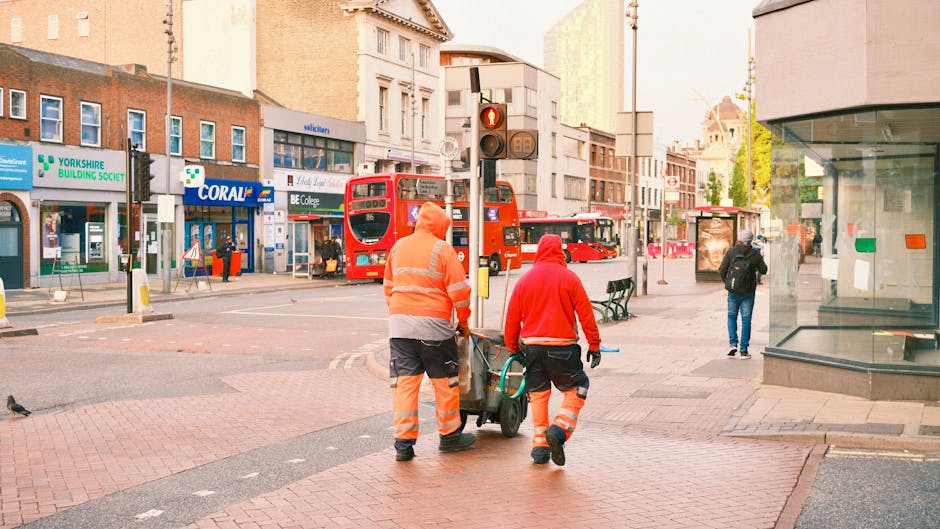
Clapham Junction Emergency Cleaners Local Availability: What to Expect When You Need Help Fast
If you are searching for Clapham Junction emergency cleaners local availability, chances are something has already gone wrong. A spill has spread. A tenant has moved out in a hurry. Builders have left dust everywhere. Or, to be fair, you simply need a fast turnaround before guests, customers, or a morning inspection. In those moments, what matters most is not a glossy promise. It is whether a cleaner can actually get there, quickly, and do the job properly.
This guide explains how emergency cleaning availability typically works around Clapham Junction, what affects response times, what services are usually worth requesting first, and how to avoid the common mistakes that slow everything down. If you want a calm, practical overview before you pick up the phone, you are in the right place.
Why Clapham Junction Emergency Cleaners Local Availability Matters
Local availability is the difference between a problem that stays manageable and one that snowballs. If a cleaner is already covering Battersea, Clapham, Wandsworth, or the immediate South West London area, they are usually better placed to react quickly than a team travelling across the city. That sounds obvious, but in practice it changes everything: travel time, likely arrival windows, and how realistic the same-day booking is.
Emergency cleaning is rarely just about appearance. A wet carpet can develop a smell. A food spill can become a stain if it sits too long. Post-build dust can spread through a flat and settle on every horizontal surface, which is miserable when you are trying to hand over a property or open for business. Local availability gives you a better chance of containing the mess before it becomes expensive.
There is also a trust angle. When you need urgent help, you do not want vague language like "we cover London" if nobody can explain when they can actually attend. A genuine local service should be able to say, in plain English, whether they can come today, tonight, or first thing tomorrow. That clarity matters more than fancy wording.
Expert summary: in emergency cleaning, local availability is not a marketing extra. It is part of the service itself. If the cleaner cannot reach Clapham Junction quickly, the "emergency" bit is basically missing.
How Clapham Junction Emergency Cleaners Local Availability Works
Emergency cleaning usually starts with a short assessment call or message. The cleaner needs to know what happened, how large the area is, whether water, mould, bodily fluids, grease, or building dust are involved, and whether there are any access issues. Simple? Yes. Quick? Usually. But the quality of that first description affects everything that follows.
Most local providers work from a live schedule, not a fixed timetable. They will look at current jobs, travel distance, staff availability, and the equipment required. A one-room spill might be slotted into a gap. A larger incident, such as after-builders debris across a whole property, may require a dedicated visit with more than one cleaner and specialist equipment. You can think of it as triage, not just booking.
For Clapham Junction in particular, availability tends to depend on two things: how close the team already is to the area, and how busy the day is. If a cleaner is finishing a job nearby, they may be able to reach you fast. If they are coming from further out, the promise may still be valid, but the arrival window will be wider. Good operators are honest about that.
If you are comparing providers, it helps to look beyond the emergency label and check whether they also offer deep cleaning, one-off cleaning, or after builders cleaning. Those services often sit naturally alongside emergency jobs, because urgent messes are often too substantial for a light tidy-up.
Key Benefits and Practical Advantages
The biggest benefit is speed, obviously. But speed alone is not enough. A good emergency cleaner brings calm, structure, and the right method for the mess. That is what prevents a fast problem from turning into a drawn-out one.
- Faster containment: the sooner a spill, stain, or debris field is handled, the less chance it has to spread or set.
- Reduced disruption: this matters in flats, shared buildings, letting situations, and busy households where people still need the space.
- Better first-time outcomes: when the right products and tools are used early, you are less likely to need repeat treatment.
- Less stress: this is underrated. When a cleaner is actually on the way, the whole situation feels less chaotic.
- More flexible service matching: emergency work can be paired with targeted services such as carpet cleaning, window cleaning, or oven cleaning depending on what went wrong.
There is also a commercial advantage. If you manage a rental property, a short-term let, or a small office, an urgent clean can protect the next booking, inspection, or workday. In those settings, the cost of delay is often higher than the cost of the cleaning itself. Truth be told, that is where local availability really earns its keep.
For homes, the value is more personal. You want your kitchen back. Your hallway back. Your sense of normal back. And sometimes that matters more than anything else.
Who This Is For and When It Makes Sense
Emergency cleaners are not only for dramatic disasters. They are useful in a surprisingly wide range of everyday situations.
- Tenants and landlords: last-minute end-of-tenancy issues, missed areas, or a failed handover clean.
- Homeowners: spills, pet accidents, post-party mess, or sudden need for a reset before visitors arrive.
- Letting agents and hosts: quick turnaround between check-out and the next booking, especially with airbnb cleaning or move-in cleaning.
- Businesses: office spillages, washroom issues, or an unexpected mess before opening.
- Property managers: communal areas, shared entrances, or stairwells that need prompt attention.
It makes sense to book emergency help when the situation is time-sensitive, hygiene-sensitive, or likely to worsen if ignored. If you are just dealing with a light general tidy, a regular clean may be better value. But if you need a same-day response and the mess is getting in the way of daily life, emergency availability is the right call.
One thing people sometimes overlook: the best service for an urgent job may not be the most obviously "emergency" one. For example, a nasty stain might need stain removal and steam carpet cleaning rather than a broad surface clean. Matching the service to the problem saves time and hassle. That part is easy to get wrong.
Step-by-Step Guidance
When you need a cleaner quickly, the process becomes much easier if you approach it methodically. No drama. Just a few clear steps.
- Describe the issue clearly. Say what happened, where it happened, how long ago it happened, and what surfaces are affected. If there is water, grease, pet odour, dust, or broken material involved, mention it.
- Be honest about access. Is someone already at the property? Is there a concierge? Is parking awkward near Clapham Junction? These practical details affect arrival more than people expect.
- Ask about earliest availability. Do not just ask whether they "cover the area." Ask for an actual same-day or next-available slot.
- Check what the visit includes. Some bookings are for immediate containment only. Others may include full treatment, deodorising, or follow-up cleaning.
- Confirm the likely equipment needed. A small spill and a large post-works clean are completely different jobs. The cleaner should tailor the visit accordingly.
- Agree the price basis. Some work is quoted as a fixed job, some by time, some by scope. You want that clear before anyone turns up.
- Prepare the space. Move fragile items, unlock access routes, and point out the worst areas first. That saves precious minutes.
If you want a broader clean after the urgent issue is dealt with, it can help to discuss services such as domestic cleaning, house cleaning, or office cleaning as a follow-up. Sometimes the emergency job reveals a bigger maintenance need. Happens all the time, really.
Expert Tips for Better Results
In our experience, the best emergency outcomes come from clarity, not panic. Here are the details that make a real difference.
- Take one or two photos before the cleaner arrives. This helps the team judge the scope and bring the right kit.
- Do not scrub a stain blindly. Rubbing too hard can push it deeper into fibres or spread it wider.
- Ventilate when appropriate. A little airflow can help with odours and moisture, though not if it risks spreading dust or disturbing a contaminated area.
- Keep pets and children away from the affected area. That is simple common sense, but easy to forget when the house is busy.
- Ask if the cleaner has experience with your surface type. Curtains, upholstery, hard flooring, and carpets all need different methods.
Also, if you are dealing with something delicate like a sofa, rug, or mattress, do not assume the first cleaner you find is the right one. A more targeted specialist may be better. For soft furnishings, consider whether sofa cleaning, upholstery cleaning, rug cleaning, or mattress cleaning is the sensible route.
A small practical note: if the issue happened late in the day, ask whether the cleaner can do a quick stabilising visit now and a fuller clean later. That two-stage approach can be the difference between a manageable evening and a very long one.
Common Mistakes to Avoid
Emergency cleaning is one of those situations where people can accidentally make the job harder before the professional even arrives. No judgement. It happens.
- Waiting too long: stains set, odours settle, and moisture causes more damage the longer it sits.
- Giving vague information: "It's a bit messy" is not helpful when the cleaner is trying to plan travel and equipment.
- Choosing solely on speed: fastest is not always best if the team is under-equipped or inexperienced with the problem.
- Using the wrong household products: bleach, strong sprays, and random stain removers can damage fabrics or surfaces.
- Forgetting access details: if the cleaner cannot get in, the appointment can stall. Simple but frustrating.
- Ignoring safety concerns: if there is broken glass, slippery flooring, or suspected contamination, say so straight away.
Another common one: assuming all cleaning is interchangeable. It really is not. Emergency attendance for an office spill is not the same as preparing a rental property for check-in, and neither is the same as dealing with a post-builder dust layer. Choosing the right service keeps costs and disruption under control.
Tools, Resources and Recommendations
You do not need special equipment to request emergency cleaning, but a few basic tools and habits make the process smoother.
- Your phone camera: useful for taking clear photos of the issue before anyone arrives.
- Paper towels or absorbent cloths: good for gentle blotting, not aggressive scrubbing.
- Simple access notes: flat number, buzz code, parking instructions, or concierge contact if needed.
- A list of affected rooms or surfaces: useful when the mess has spread beyond the first visible area.
- Basic contact details for the cleaner: keep the conversation efficient if plans shift.
For some situations, a broader service combination is the smartest option. A kitchen incident may lead to oven cleaning, pet stain odour removal, or targeted carpet cleaning. A post-renovation flat may need after builders cleaning plus final detailing. The aim is not to pile on services. It is to solve the actual problem, properly.
Practical recommendation? Keep the first message short, but specific. A good structure is: what happened, where it happened, how urgent it is, and when access is available. That four-part format gets you a far better response than a long ramble, even if the ramble is understandable in the moment.
Law, Compliance, Standards, or Best Practice
For emergency cleaning in the UK, the most relevant considerations are usually safety, insurance, and sensible working practice rather than anything exotic. If a cleaner is handling potentially hazardous residue, sharp debris, or contaminated materials, they should use appropriate protective measures and follow sensible risk controls. That is just good professional practice.
If you are booking work in a shared building, office, or managed property, it is also worth checking how the cleaner handles access, waste, and any building rules. For landlords and agents, documentation matters too. A simple record of what was cleaned, when, and how can be useful if questions come up later. Nothing fancy. Just tidy records.
Look for providers who are transparent about their health and safety policy, insurance and safety, and terms and conditions. You are not being difficult by asking. You are being sensible. If a company is reluctant to explain how they work, that is a signal in itself.
Best practice also includes fair handling of data and payments. If you share access details, contact information, or booking notes, those should be handled with care. If you want to understand how a company approaches that side of things, it can be useful to check their privacy policy and payment and security information before confirming the job.
Options, Methods, or Comparison Table
Not every urgent clean needs the same response. The table below gives a simple way to compare common options.
| Situation | Best-fit approach | Why it works |
|---|---|---|
| Fresh spill on carpet | Immediate stain treatment and carpet care | Stops the mark from setting and spreading |
| Post-party mess in a flat | One-off clean with targeted kitchen and floor work | Deals with visible mess quickly without overcommitting |
| Builder dust after works | After builders cleaning | Focuses on fine dust, surfaces, and access points |
| Turnaround for a rental or short let | Move-out or move-in cleaning | Helps restore presentation fast between occupiers |
| Office incident before opening | Commercial cleaning or office cleaning | Keeps business disruption low and the space professional |
| Odour or fabric issue | Upholstery, sofa, rug, or mattress treatment | Targets the source rather than masking the smell |
For some readers, the main choice is simply between a broad emergency visit and a targeted specialist treatment. A broad visit is useful when several areas are affected. A targeted treatment is better when the problem is isolated. If you are unsure, ask the cleaner which option is the most efficient for your situation. A good professional will not push the bigger job if the smaller one will do.
Case Study or Real-World Example
A common Clapham Junction scenario goes something like this: a tenant has moved out, the keys are due back by the afternoon, and there is still dust on ledges, a mark on the hallway carpet, and a kitchen that needs a last-minute refresh. The person managing the handover does not need a full redesign of the flat. They need the critical issues handled fast.
In that kind of case, the most effective response is usually a focused one-off clean, plus whatever specialist work is needed most urgently. If the carpet mark is visible right by the entrance, that gets priority. If the oven is the main concern because the inventory check is soon, that goes first. If a soft furnishing has picked up an odour, it may need dedicated treatment rather than a general wipe-down.
What makes the difference is not just the cleaner's speed, but their ability to decide what to tackle first. The right order saves time. It also avoids the slightly awkward situation where everything looks cleaner, but the one thing the client cared about most is still unresolved. Not ideal. And yes, people do notice.
In a second example, a small office near the station has an unexpected spill before morning opening. The priority is not a full deep clean across the building. It is containment, floor safety, and making the area presentable again. In practice, that often means a quick commercial cleaning response with an eye on entrances, walkways, and any surface likely to trip someone up if left wet.
Practical Checklist
Use this checklist before you book. It keeps the process steady when everything else feels rushed.
- Identify the problem clearly: spill, stain, dust, odour, debris, or water damage.
- Take quick photos so the cleaner can assess the scope.
- Note the exact location and how much area is affected.
- Confirm whether anyone is already on site.
- Share access details, parking notes, and any entry restrictions.
- Ask for the earliest realistic arrival time.
- Check whether the cleaner recommends a targeted or broader service.
- Confirm what equipment or treatment is likely to be used.
- Ask how the price is structured before accepting the booking.
- Keep the area safe while waiting: reduce foot traffic and avoid unnecessary scrubbing.
If you have a bit more time after the urgent issue is under control, you may want to book follow-up maintenance such as regular cleaning or house cleaning. That can stop the same scramble happening again next week. Nice when life is a bit calmer, anyway.
Conclusion
Clapham Junction emergency cleaners local availability is really about one thing: getting dependable help at the moment you need it, not after the problem has already spread. Local access improves response times, makes scheduling more realistic, and gives you a better chance of protecting your home, rental, or business from avoidable damage.
The smartest approach is simple. Describe the issue clearly, ask about actual availability, match the service to the mess, and confirm the basics before anyone sets off. That is how you turn a stressful situation into a manageable one. No magic. Just the right process, done well.
Get a free quote today and see how much you can save.
And if you are still deciding, remember this: the best emergency clean is the one that restores calm as much as cleanliness. That's the real win.
Frequently Asked Questions
How fast can Clapham Junction emergency cleaners usually arrive?
It depends on current workload, travel distance, traffic, and the type of job. A genuinely local cleaner may offer same-day availability, but the honest answer is that response windows vary. The best first question is not "do you cover Clapham Junction?" but "what is your earliest realistic arrival time?"
What kinds of problems count as an emergency clean?
Typical emergency jobs include major spills, sudden stains, odours, post-party mess, builder dust, last-minute tenancy issues, and office incidents before opening. If the mess is time-sensitive or likely to worsen, it usually qualifies.
Is emergency cleaning more expensive than a normal clean?
Often, yes, because urgent jobs may require rearranged schedules, out-of-hours work, or specialist equipment. That said, the cost may still be worthwhile if it prevents damage, saves a booking, or avoids a failed handover. Ask for the pricing basis before confirming.
Should I choose a deep clean or an emergency clean?
If the problem is urgent and contained, emergency cleaning is usually the first step. If the property also needs a more complete refresh, a deep cleaning visit may be better. Sometimes the right answer is both: stabilise now, deep clean later.
Can emergency cleaners help with carpet stains?
Yes, if they offer the right treatment. A fresh stain may need targeted carpet cleaning or stain removal. The important thing is to avoid scrubbing it yourself before help arrives, as that can make the stain worse.
Do I need to be at the property when the cleaner arrives?
Not always, but it depends on access arrangements and your comfort level. If someone else can provide entry and show the affected areas, that can work well. In many emergency situations, though, being there helps speed things up.
What should I tell the cleaner when I book?
Say what happened, where it happened, how large the area is, how urgent it is, and whether there are any safety concerns. Photos help too. Clear information usually leads to a better and faster booking.
Are emergency cleaning services suitable for short lets or Airbnb properties?
Yes, very much so. Turnarounds are often tight, and appearance matters a lot. If you are dealing with guest changeovers or a late issue between bookings, airbnb cleaning can be a practical fit alongside urgent support.
What if the problem is on upholstery, a sofa, or a mattress?
Then a specialist fabric treatment is usually better than a general wipe-down. Depending on the issue, look at upholstery cleaning, sofa cleaning, or mattress cleaning. Fabric responds differently from hard surfaces, so the method matters.
How can I tell if a cleaner is truly local to Clapham Junction?
Ask how soon they can attend, whether they already have teams in the area, and how they handle same-day jobs. Real local availability usually comes with practical detail, not vague promises. If they can explain their response window clearly, that is a good sign.
Can emergency cleaners deal with builders' dust and renovation mess?
Yes, but that is often better handled as after builders cleaning rather than a standard tidy. Builders' dust is fine and persistent, so it needs the right tools and a more systematic approach.
What is the best way to avoid needing an emergency clean again?
Small habits help: deal with spills early, keep a basic cleaning kit handy, and arrange periodic maintenance before things pile up. If your property gets regular use, booking regular cleaning can prevent a lot of avoidable stress. A little prevention goes a long way, honestly.